 Skip to content
From Engineering Review to Stable Volume Production: Proven Performance for Your MIM Project

95%
On-Time Delivery Rate

2‰
Customer Return Defect Rate

7
Working Days
Initial Engineering Review

4
Management System Certifications
12
MIM Material Systems
Is MIM Right for Your Part?
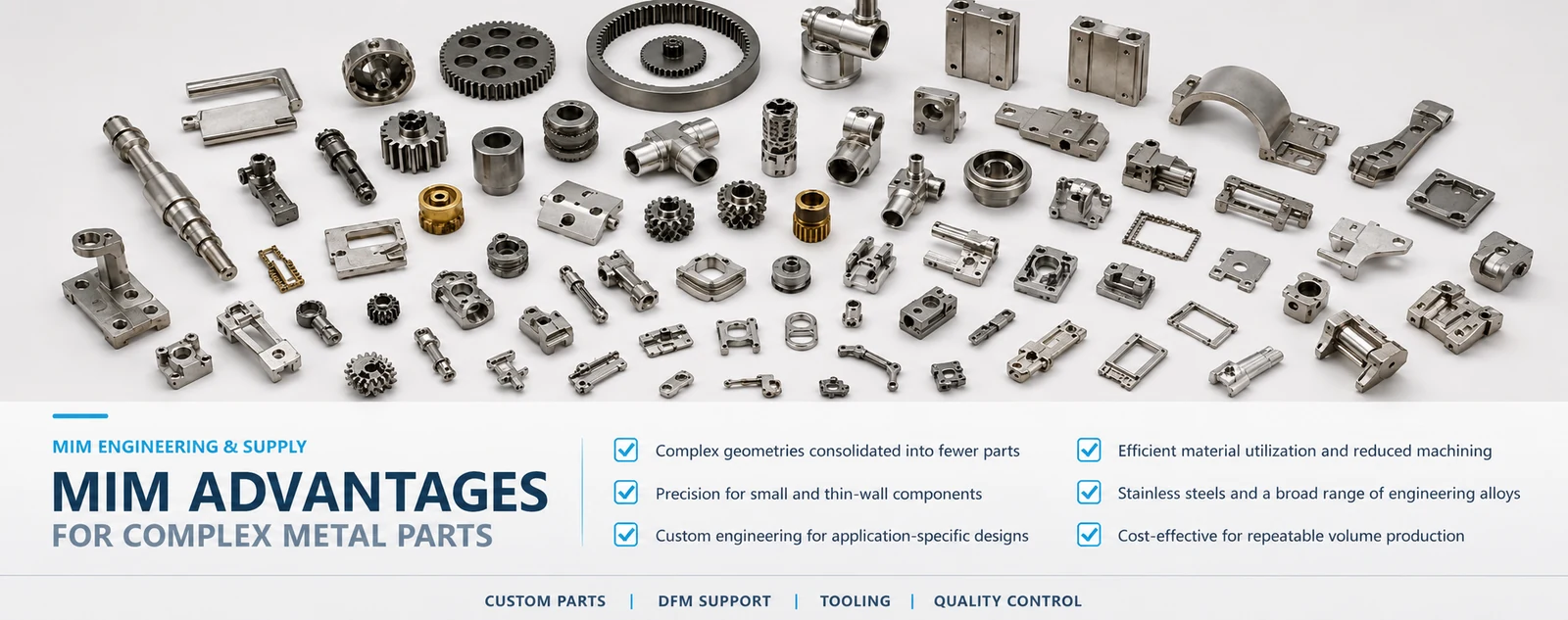
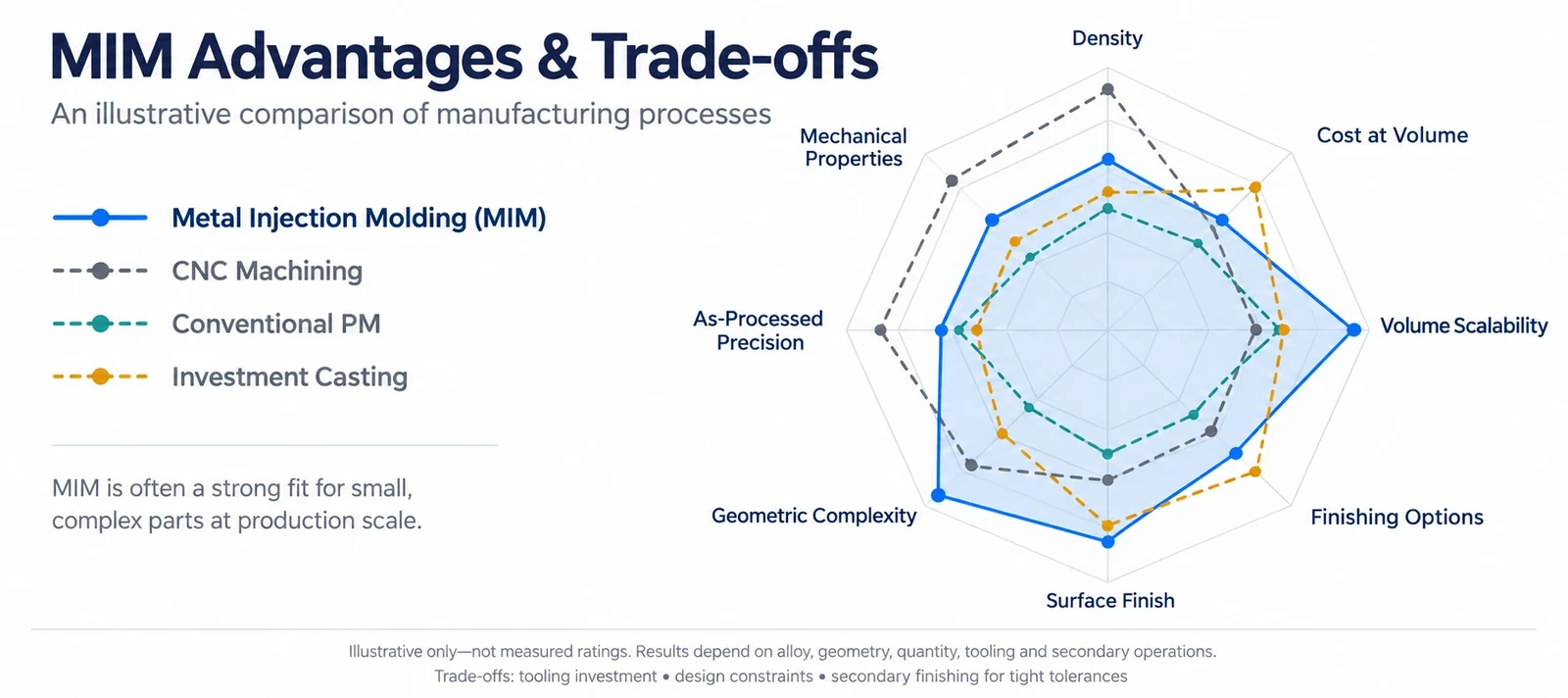
Metal Injection Molding combines complex metal geometries with efficient production at scale. The right fit depends on your part design, material, tolerances and production volume.
Key Advantages
Complex Geometries
Produce small, intricate metal parts with integrated features that can be difficult or costly to machine.
Cost Efficiency at Volume
At suitable production volumes, tooling costs can be spread across more parts, and near-net-shape production can reduce machining requirements.
Part Consolidation
Combine multiple features or components into a single molded part, potentially reducing assembly steps and part count.
Material & Finishing Options
MIM supports a range of metal alloys and secondary treatments. Material properties and finish requirements should be confirmed for each project.
Limitations to Consider
Upfront Tooling Investment
Molds and process development require initial investment. MIM may be less economical for prototypes or low-volume orders.
Geometry & Size Constraints
Large parts, thick sections and uneven wall thicknesses can make molding, debinding and sintering more challenging.
Tight Tolerances May Need Finishing
Critical dimensions may require secondary machining, sizing or grinding after sintering.
Development & Design Changes
Tooling, sampling and process validation take time. Design changes after tooling may add cost and extend the schedule.
Let’s Review Your Part
Send us your drawing, material specification, critical tolerances and expected annual volume for an initial manufacturability review.
TYPICAL CAPABILITY RANGE
MIM Capability Data at a Glance
RECOMMENDED PART WEIGHT
0.1 to 50 g
EVALUATED RANGE
0.01 to 300 g
RECOMMENDED WALL THICKNESS
0.5 to 5 mm
RECOMMENDED HOLE DIAMETER
Above 0.5 mm
TYPICAL DENSITY
98 to 99%
AS-SINTERED SURFACE FINISH
Ra 0.8 to 1.4 μm
BEST SUITED ANNUAL VOLUME
Above 100,000 parts
Final feasibility and tolerances depend on material, geometry, part size and sintering direction. The values above are typical reference ranges, not a guarantee for every project.
MIM Materials for Different Performance Requirements
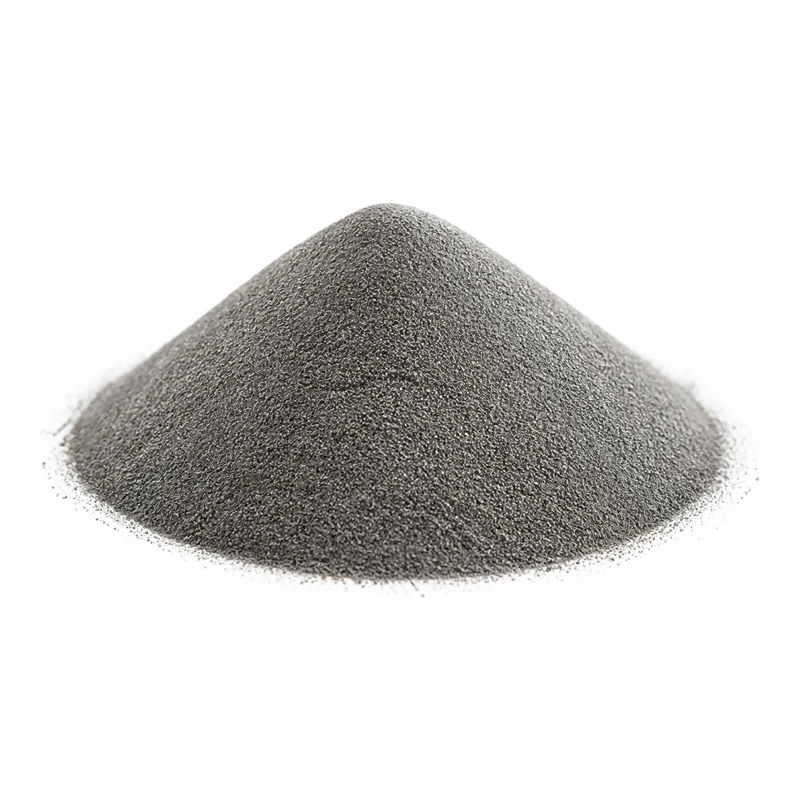
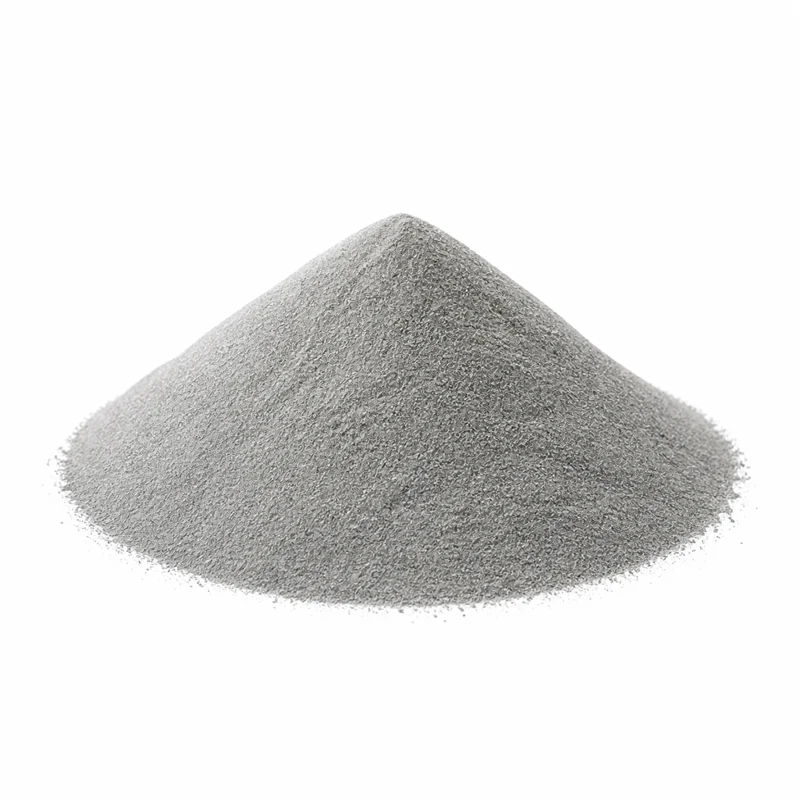
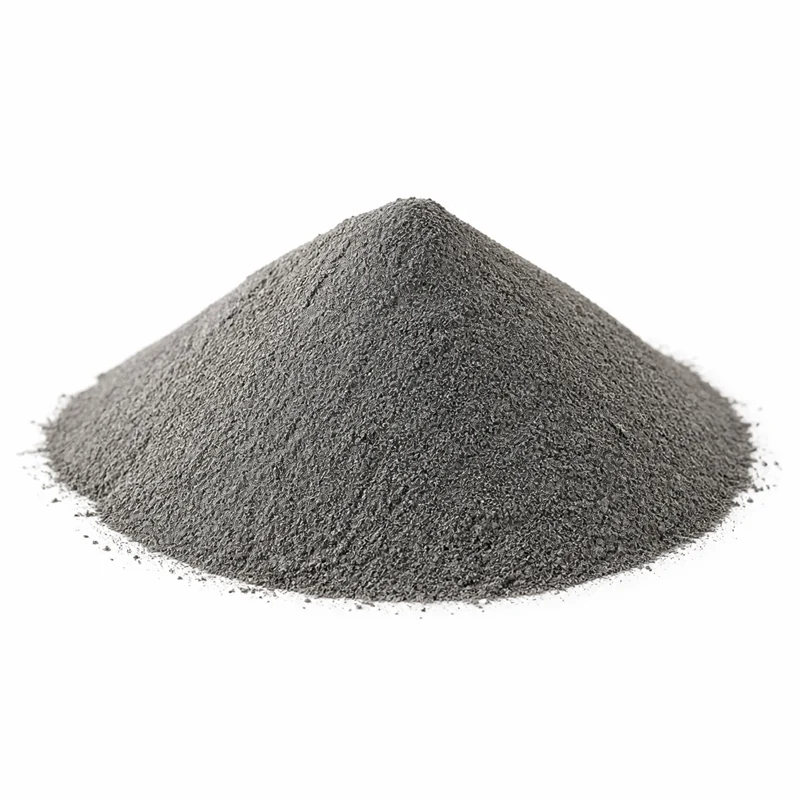
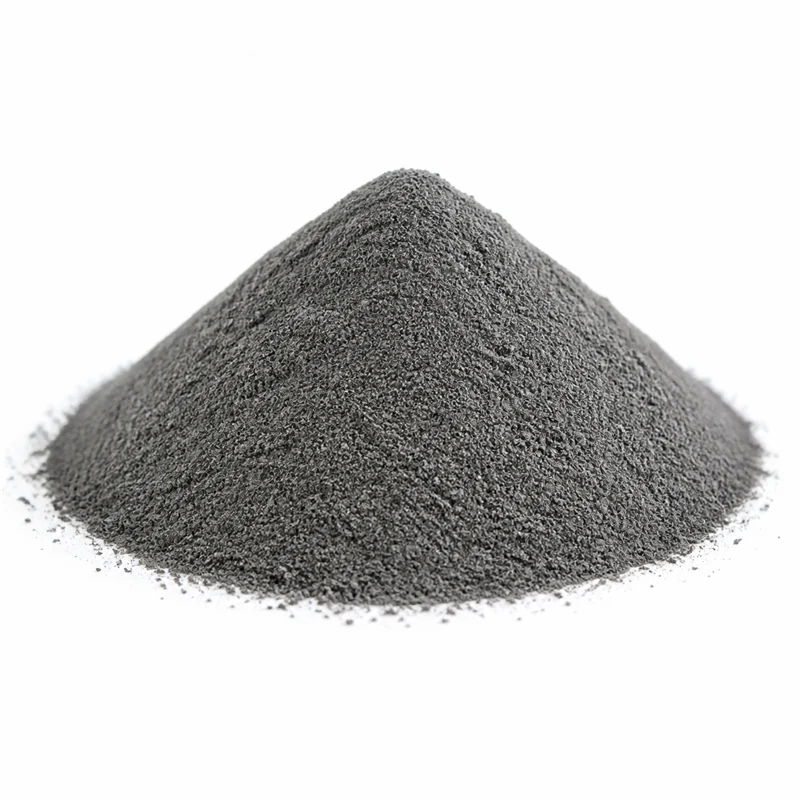
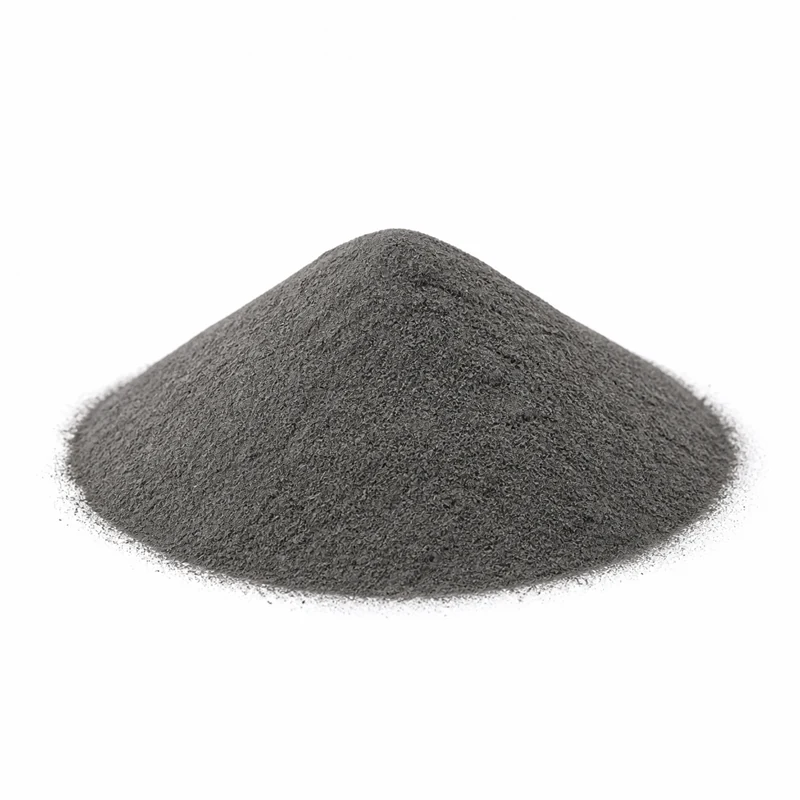
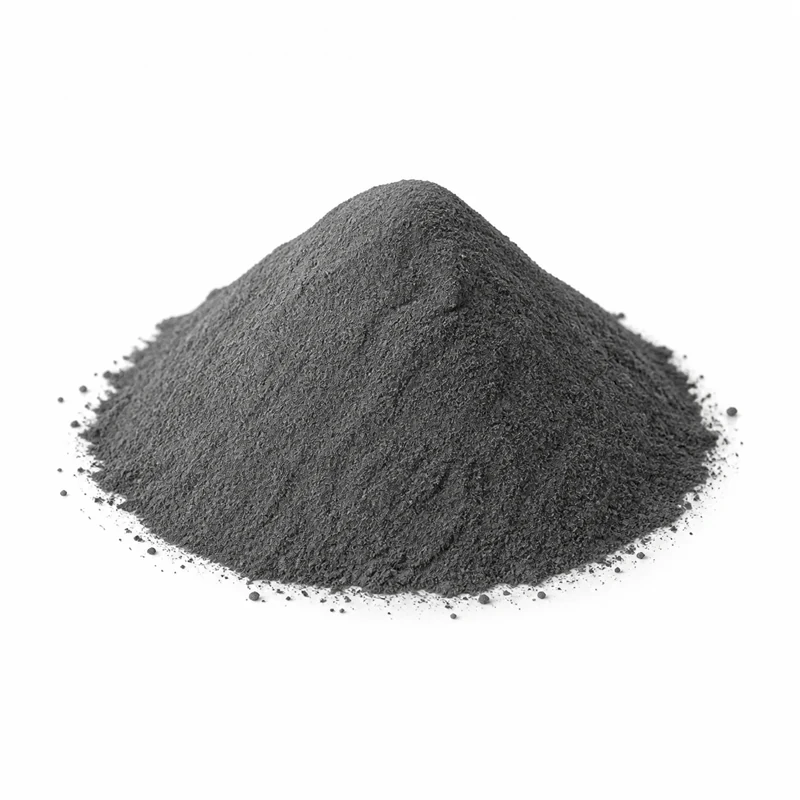
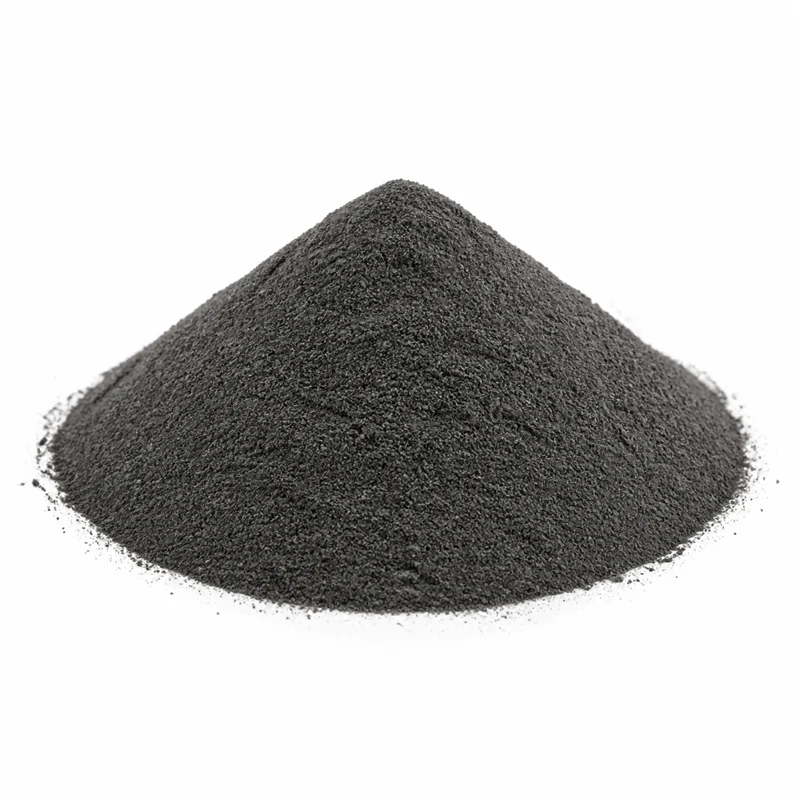
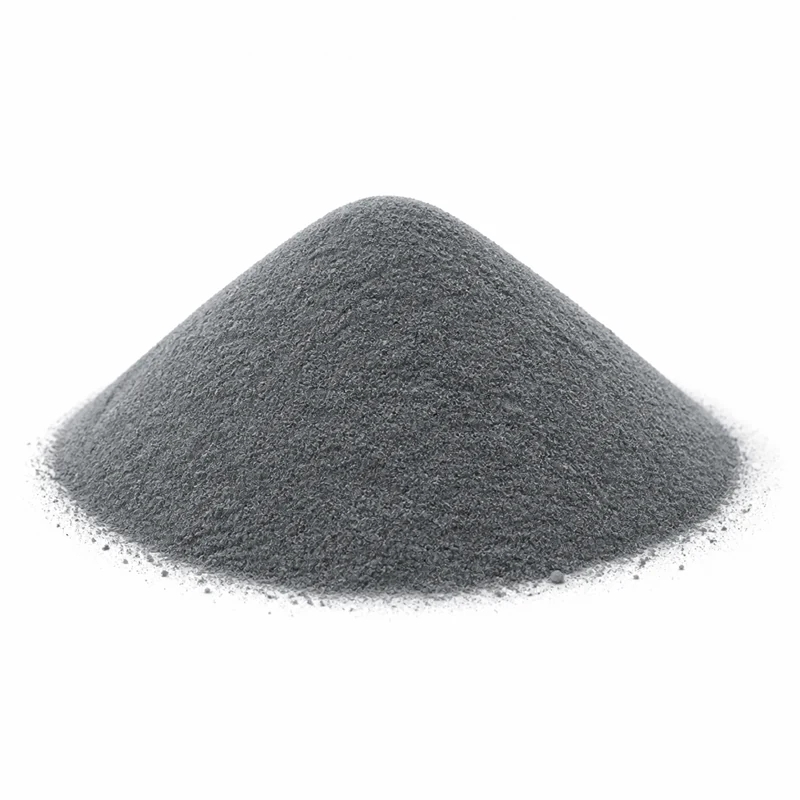
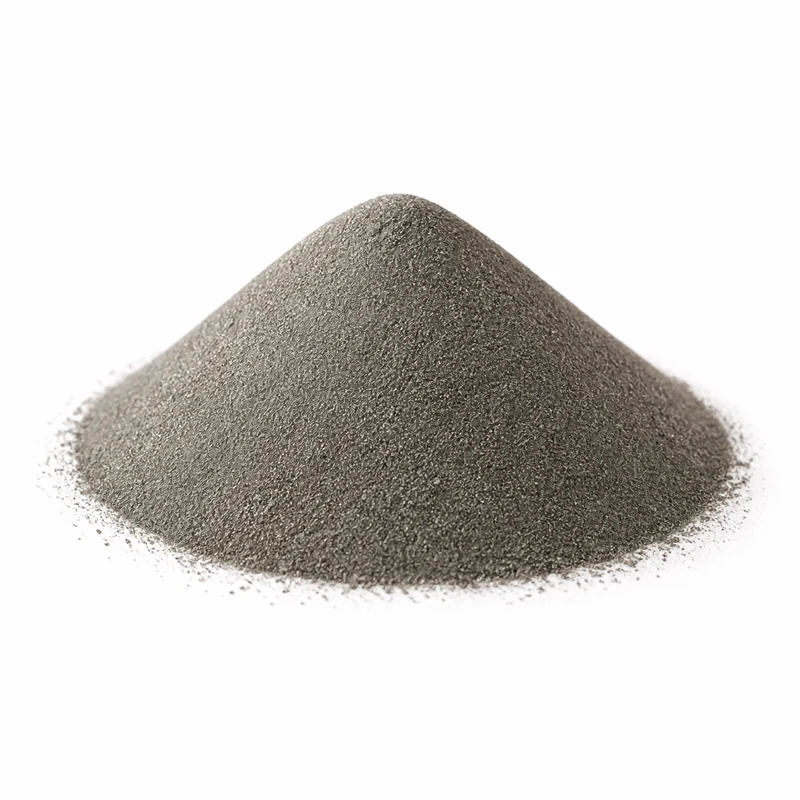
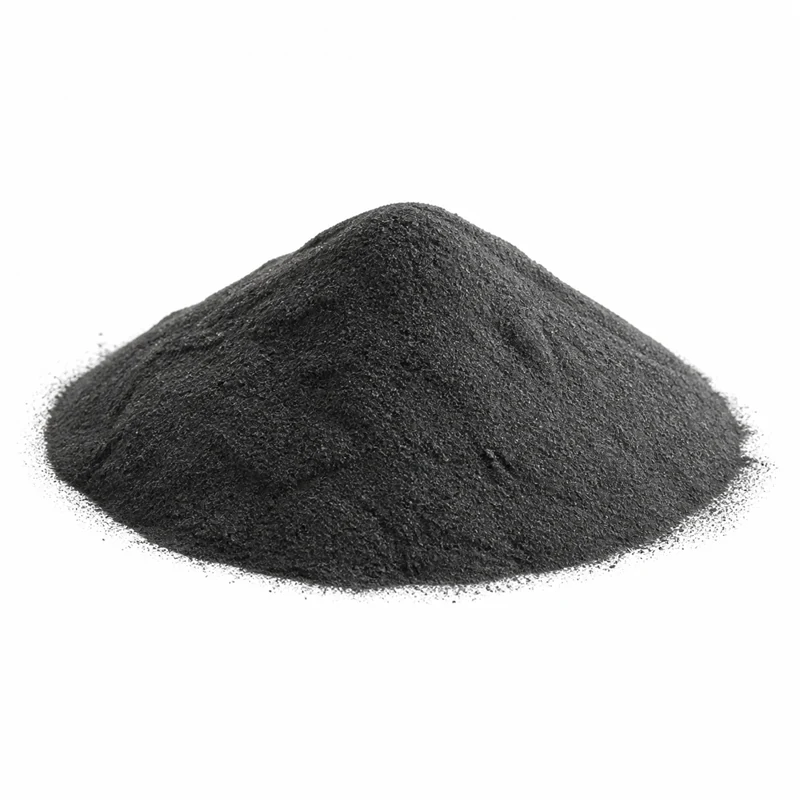
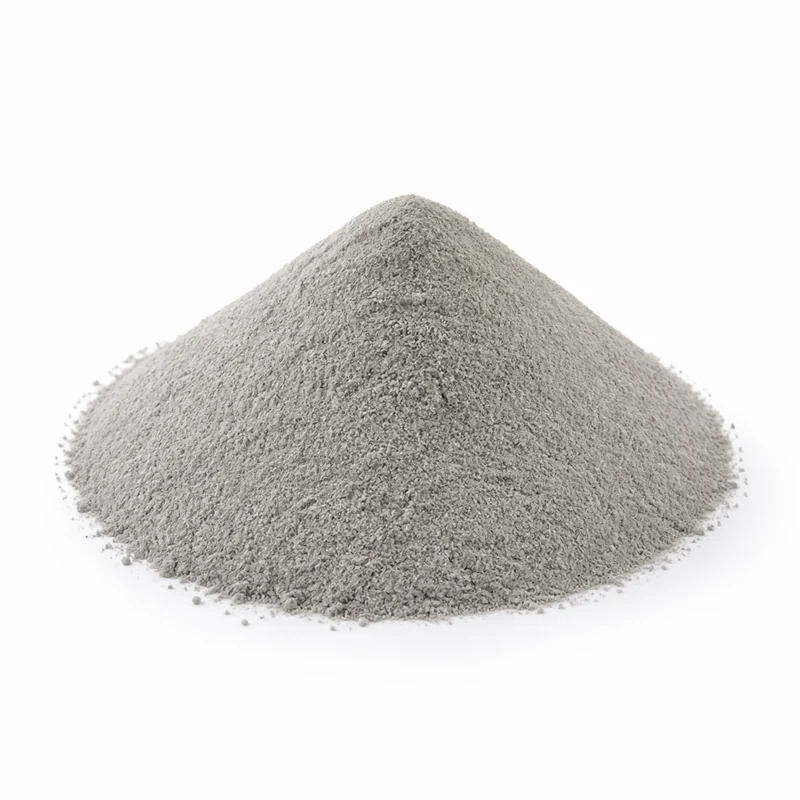
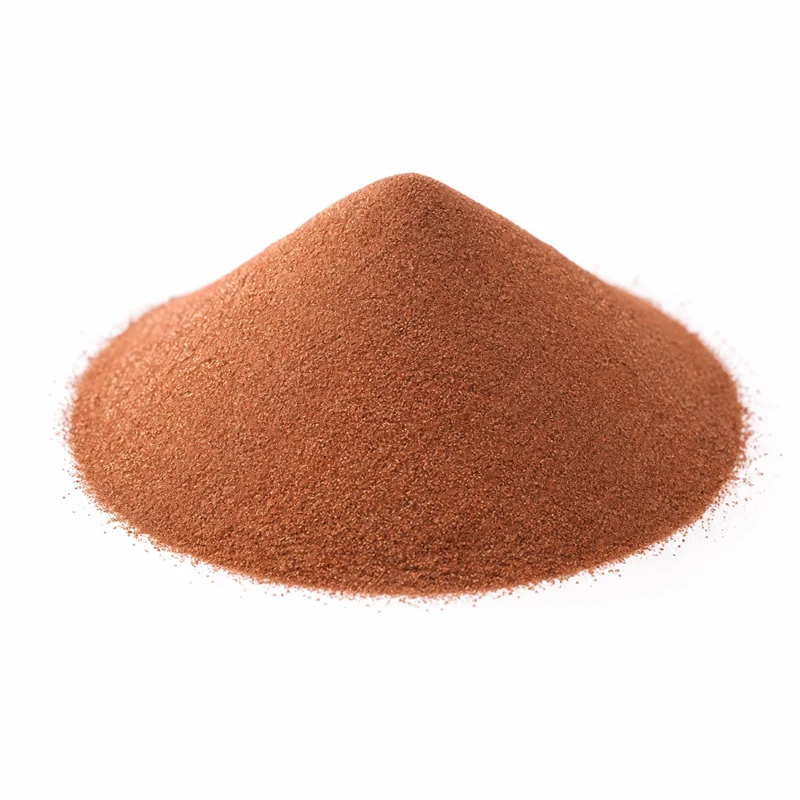
Material selection is confirmed against mechanical requirements, surface treatment and inspection needs during DFM review.
From Drawing to Delivery
1
Drawing Submission
2D and 3D files, material, tolerance and volume requirements.
2
DFM & Material Review
Geometry, wall thickness, parting line, gate position and material direction.
3
Tooling & Quotation
Mould structure, cavity count, unit price and secondary operation cost.
4
Sampling & Approval
Trial moulding, dimensional report, first article confirmation.
5
Mass Production
Scheduled batches with in-process quality tracking and traceability.
6
Inspection & Delivery
Final inspection, packing check, export documents and shipment.
One contact. One project owner. From quotation to delivery, managed by our own team.
Manufacturing & Quality Control
Explore the production equipment and inspection facilities behind our MIM components.
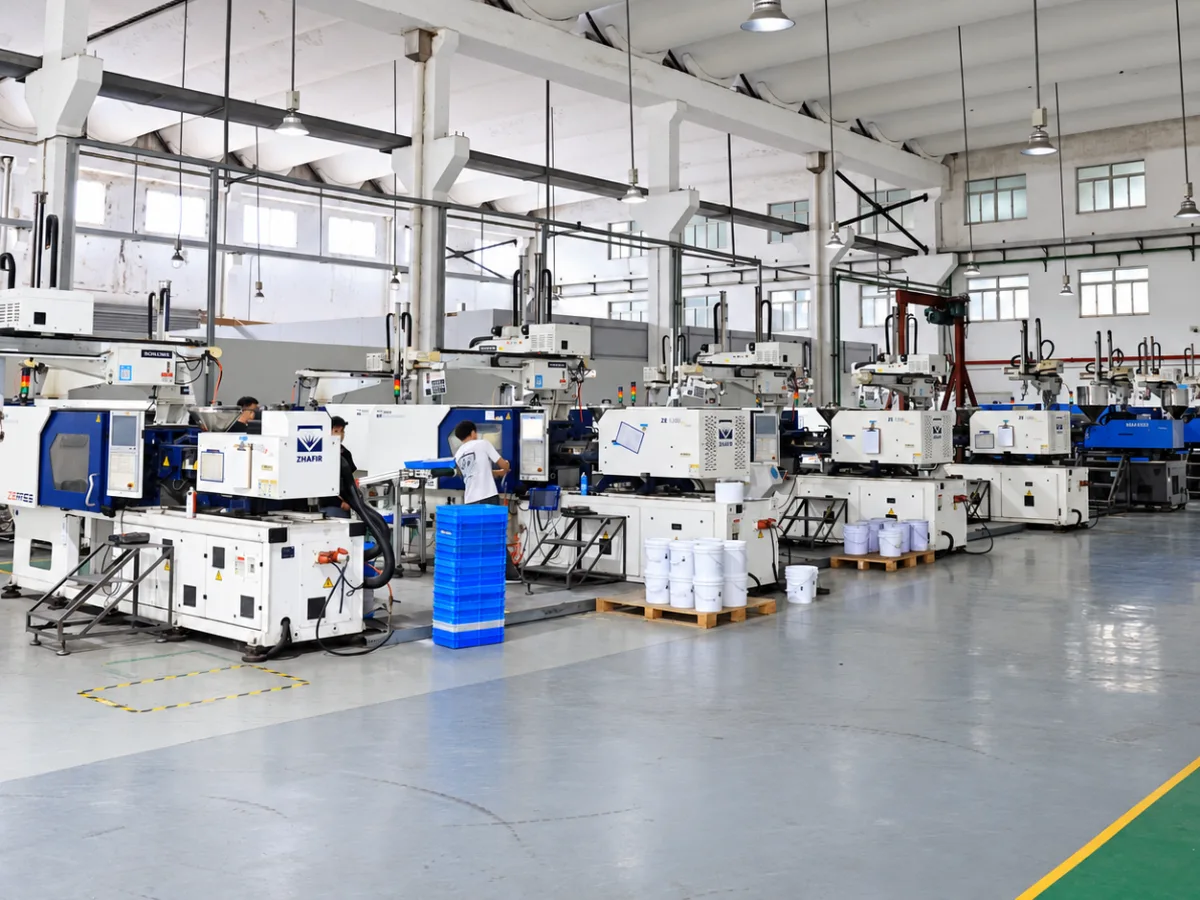
MIM Injection Molding
Our injection molding workshop supports the production of MIM components.
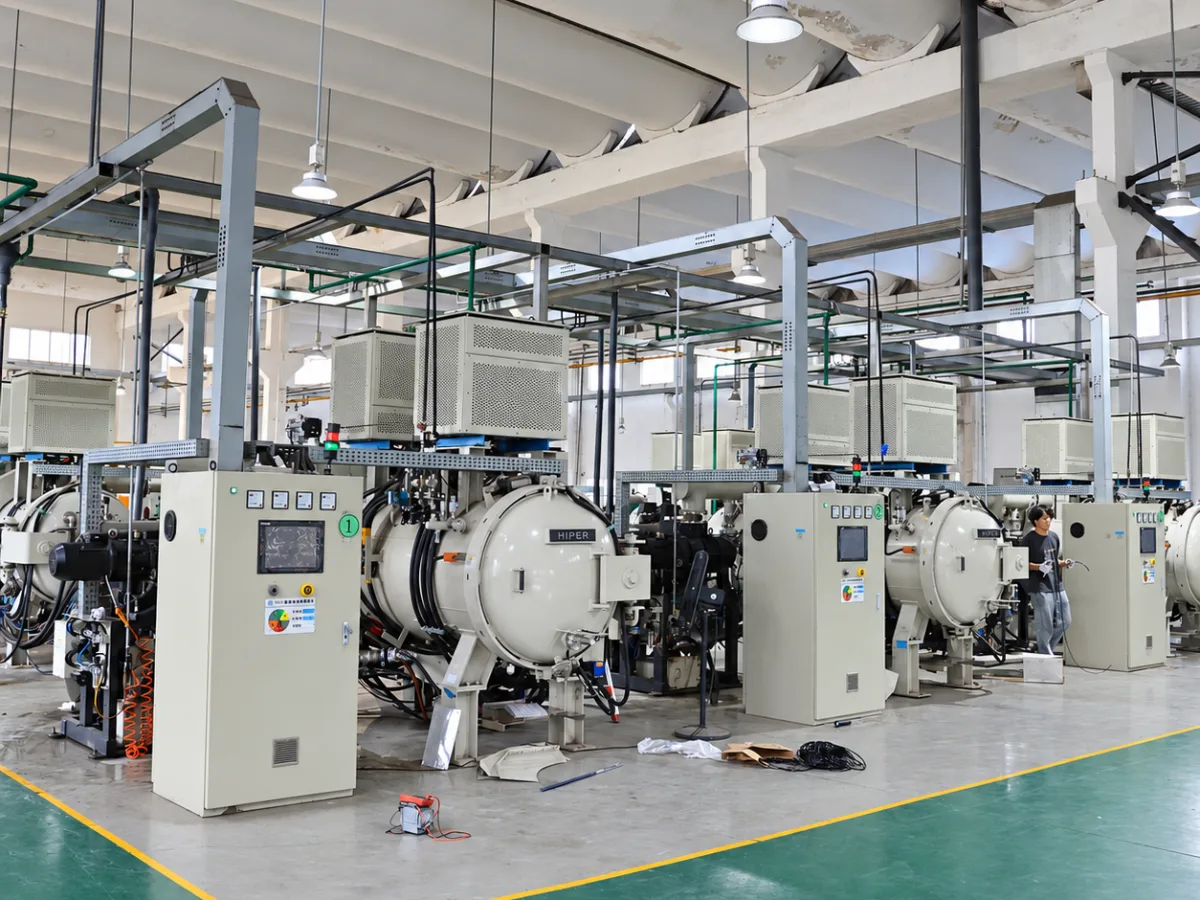
Thermal Processing Facilities
Dedicated thermal processing equipment supports our MIM manufacturing workflow.
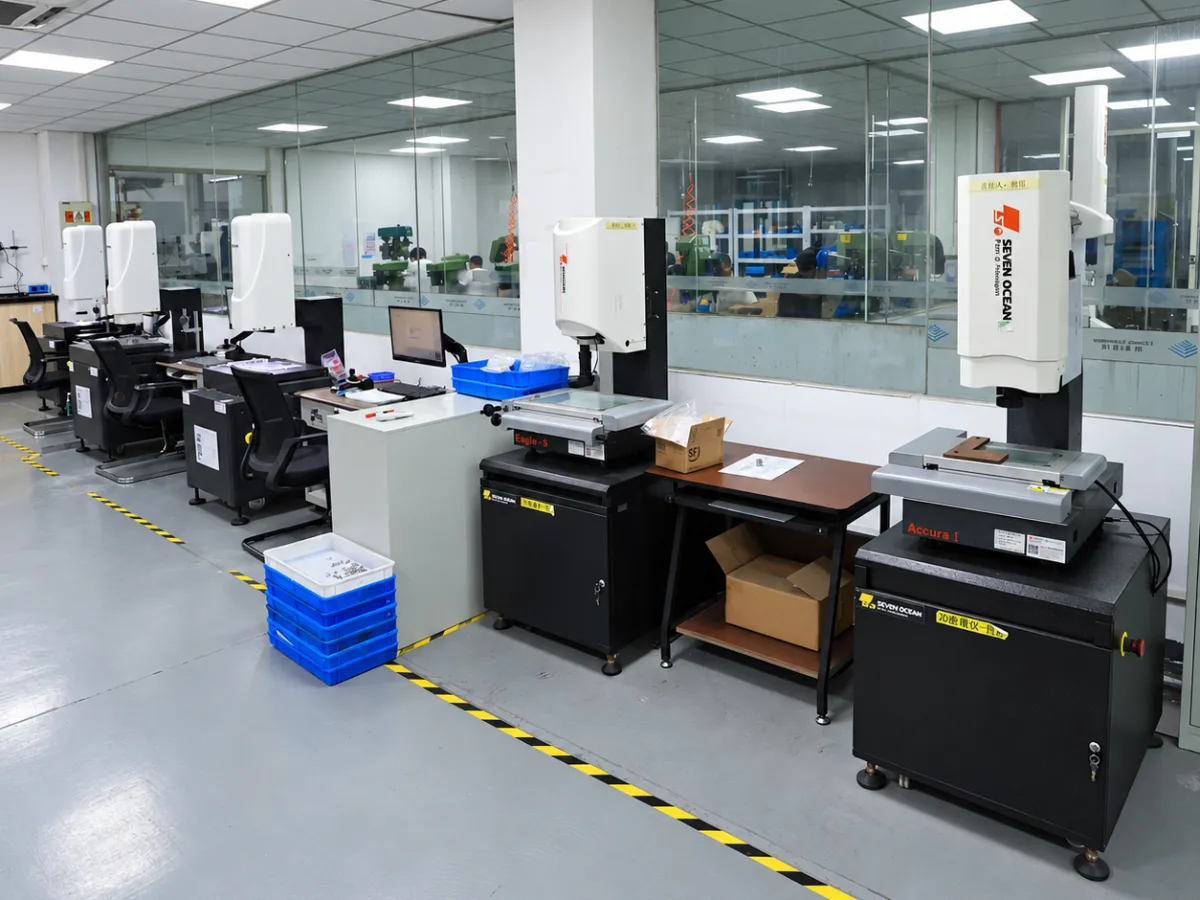
Dimensional Inspection
We use dimensional measurement equipment to check specified part features against customer drawings. Share your critical dimensions and inspection requirements with our team for review.
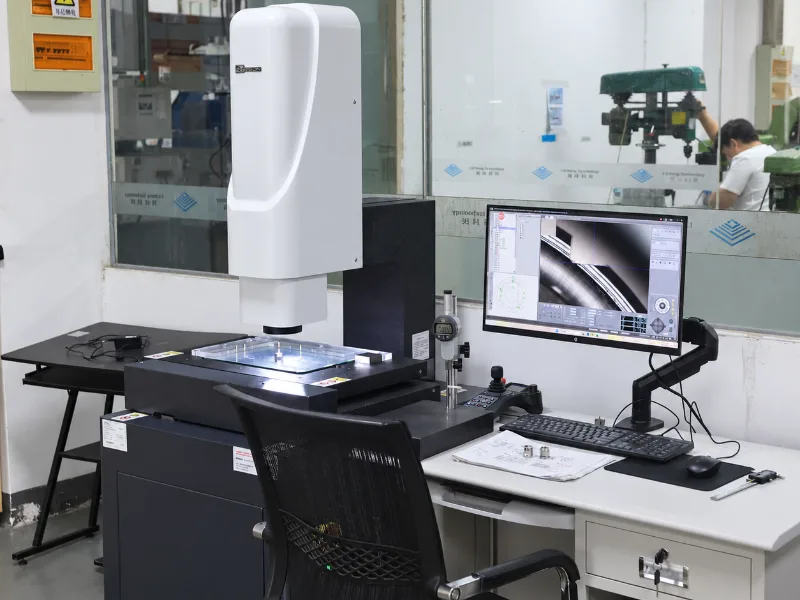
Detailed Measurement
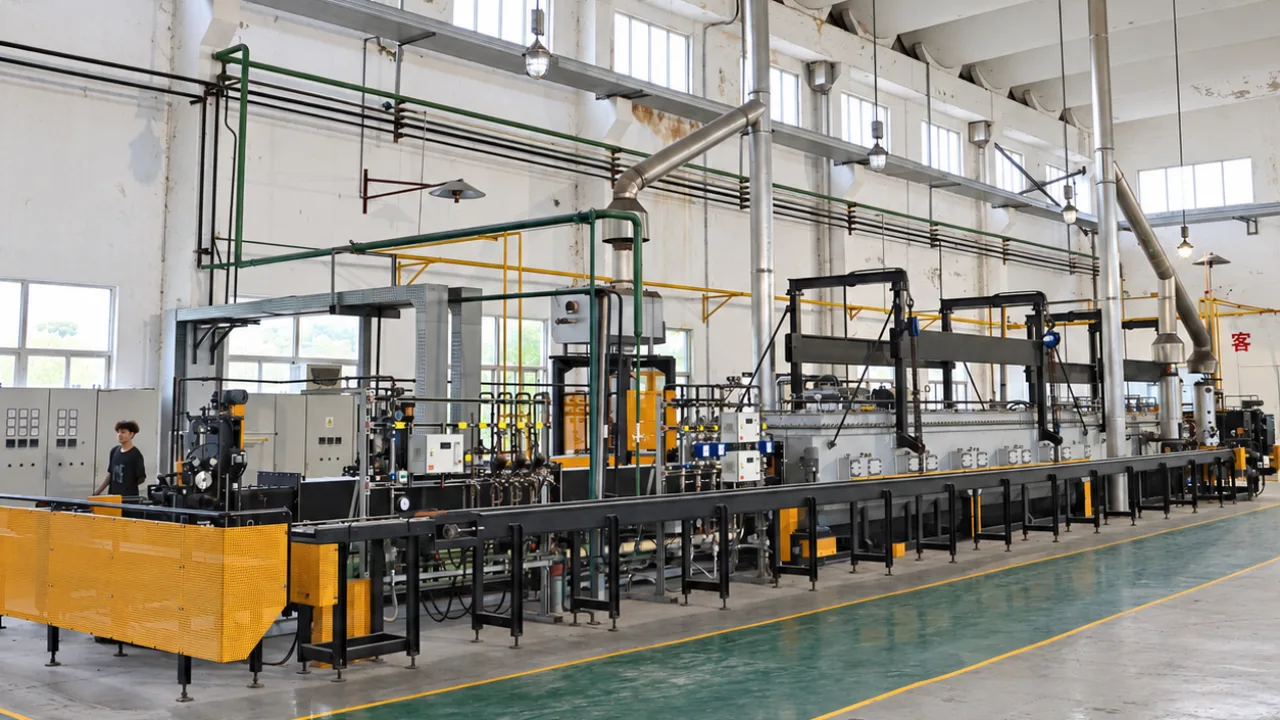
Our Continuous Sintering Furnace
Continuous Sintering for High-Volume MIM Production
Our continuous sintering furnace supports high-volume MIM production through a continuous processing workflow. This investment strengthens our manufacturing capacity for recurring orders and long-term supply programs.
We evaluate each project’s material, geometry and production requirements to determine the appropriate processing route.
Discuss Your Production RequirementsQuality Controlled at Every Stage
Quality is controlled at every stage of production, from incoming material to final inspection. Our management systems are certified to ISO 9001, IATF 16949, ISO 13485 and ISO 14001.
Incoming material inspection
Drawing revision control
Material traceability
First article inspection
In-process quality control
SPC and CPK support
Final inspection
Non-conformance management
Corrective action (8D)
Shipment verification
Documents Provided Per Project
Material certificate
Dimensional inspection report
FAI report
CPK report
PPAP documents where applicable
Hardness and density report
Surface treatment report
Document scope is agreed at quotation stage and depends on the part, the material and your inspection requirements.
Latest Articles from Our MIM Engineers
Practical guides on part cost, design for MIM, materials, prototyping and sourcing.
PROTOTYPING & SOURCING
How Long Does MIM Sampling Really Take? A Realistic NPI Timeline and How to Shorten It
How long MIM samples really take: a prototype tool in 4 to 5 weeks, samples 10 to 15 working days later, and how to...
READ ARTICLE
DESIGN FOR MIM
Managing Shrinkage & Sintering Distortion: How We Achieve ±0.3% Tolerance in Complex Geometries
Where MIM shrink variation and sintering distortion come from, the controls that hold ±0.3%, and which features need sizing or machining.
READ ARTICLE
COST & PROCESS SELECTION
Why Machining Small Complex Parts Is Draining Your Budget: When to Switch to MIM
Small, complex steel parts cost too much on a mill at volume. A MIM engineer lists the signals to switch, the cases to stay,...
READ ARTICLE
Have a Part in Mind? Let Our Engineers Review It.
Submit your drawing and basic project requirements for an initial MIM feasibility review.
SEND YOUR DRAWINGNDA Available
Confidential Drawing Handling
Engineering Review Before Quotation